
Dog Ear Infection Medicines: What Vets Use
Tags: date_December_2016 (11)Dog Ear Infection (119)Dog Ears (126)Dogs (213)Ear infections are one of the most common reasons dogs end up at the vet. Head shaking, scratching, a sour smell or a red, swollen canal all mean it's time for a professional look.
Most respond well once the cause is known. Here is what vets typically do, what they prescribe, and where everyday cleaning fits in.
How vets figure out what's going on
An ear infection is not one single problem. Yeast, bacteria, ear mites, a trapped grass seed or an allergy flare can all look similar from the outside, and each one is handled differently. That is why a vet starts with a close look before choosing a medicine.
First comes an otoscope exam. The vet uses a lighted scope to look down the ear canal, check how inflamed it is, spot any foreign object, and see whether the eardrum is intact. That last point matters, because some ear medicines are not safe to use if the eardrum is damaged.
Next is usually ear cytology. The vet gently swabs some of the discharge, places it on a slide and looks at it under the microscope. This shows whether yeast, bacteria or both are present, and roughly how many.
For infections that keep coming back or don't improve, the vet may send a sample for a culture. A culture identifies the exact bacteria and which medicines they respond to.

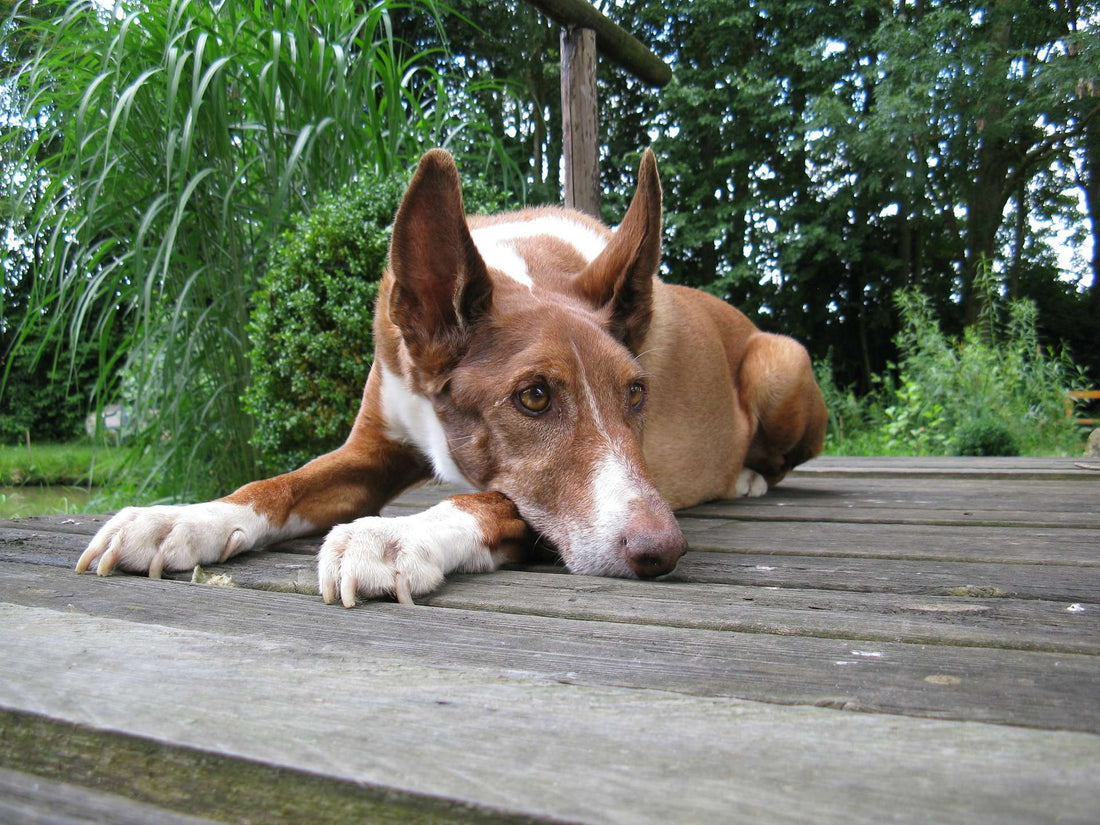
"I was promised apples. Nobody mentioned a microscope."
What vets commonly prescribe
Once the vet knows what is causing the problem, treatment usually falls into a few general categories. Only a vet can decide which of these is right for your dog, and all of them require a prescription.
Combination ear drops or ointments. These are the most common choice. Most contain three ingredients working together: an antibiotic for bacteria, an antifungal for yeast, and an anti-inflammatory to calm swelling and itch.
Long-acting gels applied in the clinic. Some medicines are placed in the ear by the vet and keep working for days. They are handy for dogs who don't tolerate daily drops, or for owners who find home dosing hard.
Prescription ear flushes. When the canal is packed with discharge, medicine can't reach the skin underneath. The vet may flush the ear in the clinic, sometimes under sedation, or send home a prescription flush to use before the drops.
Oral medication. For severe infections, or ones that reach deep into the ear, the vet may add tablets alongside the ear medicine. These can include antibiotics, antifungals or anti-inflammatories.
Treating the underlying cause. Many ear infections are a symptom of something else, most often allergies to food or to things in the environment. If that root cause isn't managed, the infection tends to return. Your vet may suggest a diet trial, allergy medication or other steps to break the cycle.
Follow the full course your vet gives you, even if the ear looks better after a few days, and go back for the recheck. Stopping early is a common reason infections come back.
Why home remedies aren't advised
You will find plenty of online tips suggesting vinegar, hydrogen peroxide, rubbing alcohol, or oils like coconut, almond or olive oil. Vets generally advise against all of them for an infected ear.
An infected ear canal is raw and inflamed. Vinegar, peroxide and alcohol can sting badly on that skin. Oils can trap moisture and debris in the canal.
The bigger risk is the eardrum. If it is torn or weakened, which you can't see at home, liquids poured into the ear can reach the middle ear and cause real harm, including problems with balance and hearing. This is exactly what the vet checks with the otoscope.
And please never push a cotton swab into the ear canal. It packs wax and debris deeper and can injure the canal or the eardrum. Wipe only the parts of the ear you can see.

"I am keeping still. Hopefully this is the vet-approved part."
Where routine ear cleaning fits
Medicine is the vet's job. Routine cleaning is yours, and it plays a different role. Once your vet has looked at the ear and said cleaning is fine, and as everyday upkeep after that, a gentle ear cleaner helps remove the wax and debris that build up in the canal.
This is especially useful for dogs with floppy or hairy ears and dogs who swim. Your vet can tell you how often to clean.
If you're looking for one, EcoEars is a botanical ear cleaner with no antibiotics or steroids that helps remove wax, dirt and odor.
To clean, fill the canal with the cleaner, massage the base of the ear for 60 to 90 seconds, let your dog shake, then wipe away what comes up with a cotton ball or soft cloth.
When to see your vet right away
Don't wait it out if you notice any of these:
- Signs of pain, such as crying out, flinching or not letting you touch the ear
- A head tilt, stumbling, circling or other balance problems
- A swollen ear flap, or blood in the ear or on the flap
- Thick, bad-smelling or discolored discharge
- Symptoms that keep coming back after treatment
Ear problems are much easier to handle early. A quick exam now can spare your dog a lot of discomfort.
Find your breed
Ear shape, coat and lifestyle change how often a pet's ears need attention. See the signs, usual causes and a cleaning routine for more than 100 dog breeds and 25 cat breeds in our breed-by-breed ear care guide.

Itchy, smelly, dirty ears?
EcoEars is a botanical dog ear cleaner that washes away wax, dirt and debris. 365-day returns · free shipping over $35.
Shop EcoEars →