

High Risk Breeds: 20+ Dog Breeds Predisposed To Ear Infections
Tags: date_April_2017 (7)Dog Ear Infection (95)Dogs (213)Hairy-Eared Breeds

That’s right. Hairy ears are one of the leading causes of ear infections in dogs. That extra hair can cause a back-up of wax which is the perfect sticking point for dirt and grime. This makes hairy dog ears the perfect place for bacteria and yeast build-up. Hair also holds onto water and can make it difficult for our pup’s ears to dry completely. These are also small dogs with hair and ears that are often splashed with water and dirt as they go on walks or enjoy the yard. This constant presence of moisture and grime can lead to infections year-round, rather than being limited to the rainy season.
Hound Breeds
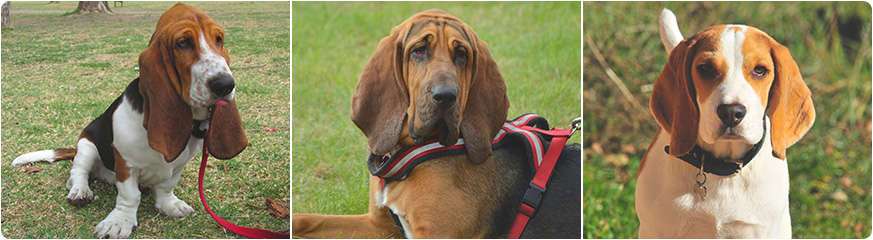
Ear infections can hound these breeds because their ears are long and heavy. Even when their ears bounce while running they never really flop very far because of the weight. Adorable as this may be, it means their ears never really dry out after getting wet, and their ear canal can be a dark welcoming place for mites and bacteria. Plus, hounds tend to keep their nose to the ground, exploring scents and mucking through dirt and puddles. This means their face, and ears, are closer to the very environment that supports ear infections.
- Afghan Hounds
- Basset Hounds
- Beagles
- Bloodhounds
- Coonhounds
- Dachshunds
- Foxhounds
Sporting & Working Dogs

Two groups of long-eared breeds prone to infection are the sporting dogs and the working dogs. But these pups are not just at risk because of their ears. The typical activities of sporting dogs are active and outdoors, which can lead to time in the water. Gun dogs, like setters, are bold and boisterous but their pendant shaped ears and outdoor lifestyles leave them at greater risk. Labradors are famous for being water dogs and are prone to ear problems because of their love for swimming and their genetic predisposition for infection-prone ear canals. Working dogs are also typically found outside, guarding fences and gate, such as Bullmastiffs. Or they can be helping with search and rescue efforts, such as Newfoundlands. Sporting dogs and working dogs share a love of the outdoors that can lead to a range of problems, not the least of which is ear infections.
- Bullmastiffs
- Cavalier King Charles Spaniels
- Chesapeake Bay Retrievers
- Cocker Spaniels
- Dobermans
- English Setters
- Golden Retrievers
- Irish Setters
- Labrador Retrievers
- Newfoundlands
- Portuguese Water Dogs
- Springer Spaniels
More Breeds Owners Should Watch
Doodles and other poodle crosses, spaniels, bird dogs and a few breeds with unusual ears or allergy-prone skin also need regular ear checks. Each guide below covers why that breed is at risk, the early signs and a routine that fits its coat and lifestyle.
- Goldendoodles
- Labradoodles
- Cockapoos
- Bernedoodles
- Cavapoos
- Maltipoos
- Aussiedoodles
- Sheepadoodles
- Puggles
- Havanese
- Coton de Tulear
- Pekingese
- Tibetan Terriers
- Old English Sheepdogs
- Soft Coated Wheaten Terriers
- West Highland White Terriers
- Boston Terriers
- Staffordshire Bull Terriers
- Pit Bulls
- American Bulldogs
- Shar-Pei
- Dogues de Bordeaux
- English Cocker Spaniels
- Boykin Spaniels
- Brittanys
- German Shorthaired Pointers
- Vizslas
- Bernese Mountain Dogs
- Great Pyrenees
- Leonbergers
- Cane Corsos
We love our pups, and nobody wants to see them uncomfortable or in pain. Ear infections can be painful, and in some cases they lead to hearing loss and other serious problems, so always check with your vet when an ear looks red, smells bad, has discharge or seems sore. Between vet visits, a regular cleaning routine helps keep healthy ears clean. EcoEars Dog Ear Cleaner is a botanical cleaner that washes away wax, dirt and debris, with no antibiotics or steroids. It is for dogs 12 weeks and older. Our guide on how to clean your dog's ears walks through the steps.
If you share your home with one of these breeds, you just need the right tools and expectations: regular ear checks, a cleaning routine and a vet you trust. Expect furry companionship. Expect to be won over by adorable, floppy, droopy, hairy ears.